To ensure dispatch on the same working day, please place your order by 12pm. Thank you.


 World Country Flags
 Checkered
 Striped
 Plain Coloured
 Advertising
 Miscellaneous
 Gay Pride
 Festival Flags
 Religious
 Skull & Gothic
 Celebration
 British Historic
 Military & War
 Specialist Flags
 Patriotic
 Irish County
 Islands
 British Counties/Regions
 European Province
 Australian States
 Canadian
 US Collectors
 US States & City
 British Counties/Regions


 20m bunting
 6m bunting
 3m bunting
 Decorative Bunting


🎪 The Glastonbury Festival: From Farm Fields to Global Fame

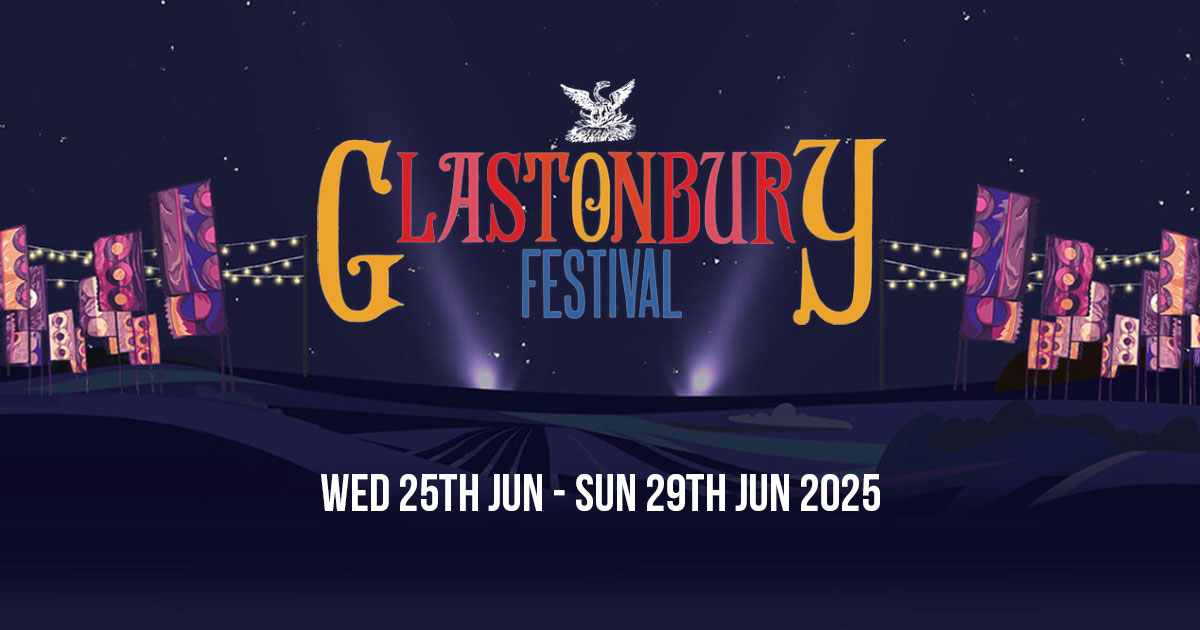
The Glastonbury Festival 2025 will take place from Wednesday 25th June to Sunday 29th June.
Every summer, hundreds of thousands of people descend upon the rolling fields of Somerset to attend the Glastonbury Festival — an explosion of music, art, performance, and counterculture. But long before it became a global phenomenon, it started with a dream, a dairy farm, and a few hundred hippies.
Here’s the story of how Glastonbury became one of the most famous music festival in the world.
🌱 The Seeds of a Festival: 1970
The first Glastonbury Festival took place the day after Jimi Hendrix died — on September 19, 1970. It was originally called the Pilton Pop, Blues & Folk Festival, organized by a local dairy farmer named Michael Eavis. Inspired by the Bath Blues Festival and the countercultural movements of the 1960s, Eavis decided to host a similar event on Worthy Farm, near the village of Pilton.
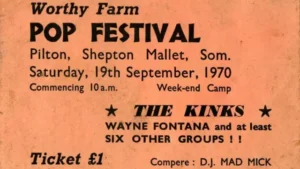
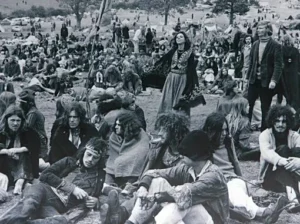
Tickets cost £1, and that included free milk from the farm. Around 1,500 people attended, and the headline act was T. Rex, replacing The Kinks at the last minute.
🎶 The Early Years: 1971–1979
In 1971, the festival took a giant leap. It became The Glastonbury Fayre, co-organized with Arabella Churchill (Winston Churchill’s granddaughter) and others from the alternative arts scene. Funded by Andrew Kerr and with support from a young engineer named Tony Andrews (who later developed the Funktion-One sound system), it introduced the Pyramid Stage, built out of scaffolding and inspired by the Great Pyramid of Giza.
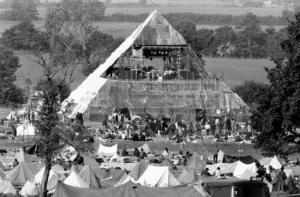
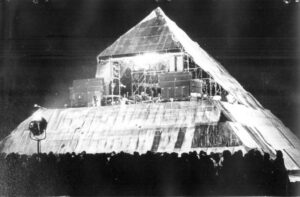
That year, the festival was free and featured acts like David Bowie, Traffic, and Fairport Convention. It set the tone for Glastonbury’s blend of music, mysticism, and alternative culture.
The festival didn’t become an annual event until the 1980s. Through the 1970s, it was sporadic, but each edition grew in ambition, scale, and spirit.
🔊 The 1980s: Rise of the Counterculture Icon
In 1981, Glastonbury began to partner with CND (Campaign for Nuclear Disarmament), cementing its reputation as a politically and socially conscious event. Attendance climbed into the tens of thousands, and the Pyramid Stage became a permanent fixture.
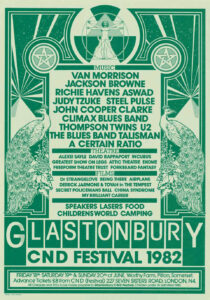
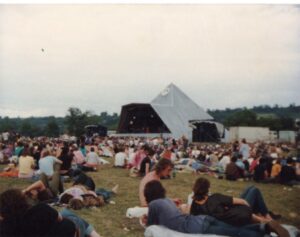
The decade saw Glastonbury become a hub for alternative thinkers, artists, New Age travellers, and anarchists, while still booking major acts like Van Morrison, The Smiths, and Elvis Costello.
Security and crowd control became challenges — at times, thousands of festival-goers entered without paying. Still, Glastonbury retained its communal, rebellious, and free-spirited atmosphere.
🌍 The 1990s: Mainstream Success Meets Mud and Mayhem
By the 1990s, Glastonbury had entered the mainstream cultural consciousness. Attendance soared, and legendary performances from Radiohead, Oasis, Blur, The Cure, and Pulp brought Britpop and alternative rock to the forefront.
The decade was not without chaos. The 1990 festival ended in clashes between police and travellers. In 1997, torrential rain turned the site into a mud bath, beginning the now-famous tradition of “Glasto mud.” But through it all, the festival’s reputation only grew.
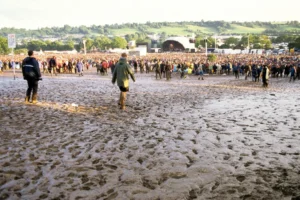
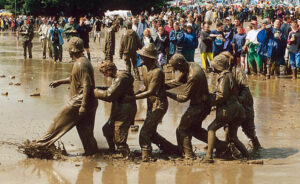
Michael Eavis remained at the helm, often walking around the site in his wellies, personally checking on things and chatting with fans.
✨ The 2000s to Today: Global Phenomenon
The 2000s marked Glastonbury’s transformation into a global event, broadcast live on the BBC, with millions watching at home. It now hosts over 200,000 attendees, features over 100 stages, and covers nearly 900 acres.
Headliners have included Beyoncé, David Bowie, Paul McCartney, Coldplay, Jay-Z, Billie Eilish, and The Rolling Stones. Yet despite its size, the festival still maintains its eco-conscious ethos, spiritual roots, and community focus.
Key features include:
The Green Fields – areas for environmental education and activism.
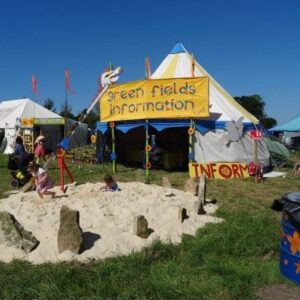
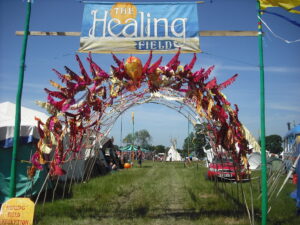
The Healing Fields – a place for meditation, yoga, and alternative therapies.
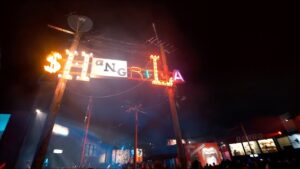
Shangri-La & Arcadia – immersive, futuristic, and often wild late-night areas.
In 2020 and 2021, the festival was cancelled due to the COVID-19 pandemic — the first break in decades — but returned triumphantly in 2022, proving its enduring popularity.
🌈 More Than Just a Festival
Glastonbury is more than just a music festival — it’s a cultural institution, a rite of passage, and a celebration of creativity, resistance, and connection. For some, it’s a spiritual experience. For others, it’s the greatest party on Earth.
From a small gathering on a Somerset farm to a legendary event on the global stage, the history of Glastonbury Festival is a story of vision, passion, mud, magic — and music that moves generations.