To ensure dispatch on the same working day, please place your order by 12pm. Thank you.


 World Country Flags
 Checkered
 Striped
 Plain Coloured
 Advertising
 Miscellaneous
 Gay Pride
 Festival Flags
 Religious
 Skull & Gothic
 Celebration
 British Historic
 Military & War
 Specialist Flags
 Patriotic
 Irish County
 Islands
 British Counties/Regions
 European Province
 Australian States
 Canadian
 US Collectors
 US States & City
 British Counties/Regions


 20m bunting
 6m bunting
 3m bunting
 Decorative Bunting


The History and Origin of Historic Counties Flag Day


Every year on July 23rd, communities across the United Kingdom celebrate Historic Counties Flag Day, a day dedicated to flying the flags of the ancient counties that shaped the history, culture, and identity of Britain. But where did this observance come from, and why does it matter today?
What Is Historic Counties Flag Day?
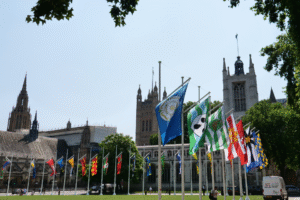
Historic Counties Flag Day is a grassroots initiative launched to celebrate and raise awareness of the traditional counties of the UK—many of which date back over a thousand years. On this day, flagpoles across the country, including those at the UK Parliament, local councils, and historic buildings, proudly display the registered flags of the historic counties.
The day encourages people to learn more about their local heritage, appreciate the rich tapestry of county identities, and fly their county’s flag with pride.
The Origins of the Day
Historic Counties Flag Day was first celebrated on July 23, 2019, a date chosen for a meaningful reason: it marks the anniversary of the death of Alan Young, a prominent campaigner for recognition of England’s historic counties. Young was part of the Association of British Counties (ABC), a group that advocates for the cultural and geographical preservation of the traditional counties, distinct from modern administrative boundaries.
The initiative came in response to growing public interest in county flags, fuelled by communities registering their flags with the Flag Institute—the UK’s national flag registry. As more counties began flying their flags at local events, the idea emerged to dedicate one day to collectively celebrate this growing movement.
Why Historic Counties?
The historic counties of England, Scotland, Wales, and Northern Ireland were originally established for administrative, judicial, and military purposes, some dating back to the early medieval period. Despite changes in local government boundaries over time, many people still feel a deep connection to these historic divisions.
Flag Day helps maintain this sense of identity, especially in areas where county loyalty has remained strong—such as Yorkshire, Kent, Cornwall, and Lancashire. It also serves as an educational opportunity for people to discover the unique symbols, colours, and stories behind each county’s flag.
A Growing Celebration
Since its inception, Historic Counties Flag Day has grown steadily in popularity. County flags are now flown at:
-
The UK Parliament in Westminster
-
Local council buildings
-
Historic sites and castles
-
Schools and museums
-
Private homes and community events
Social media campaigns also help spread awareness, with supporters sharing pictures of their county flags using hashtags like #HistoricCountiesFlagDay and #CountyFlags.

The Role of the Flag Institute and ABC
The Flag Institute, a UK-based organisation dedicated to the study and documentation of flags, plays a crucial role in registering and maintaining the official designs of county flags. The Association of British Counties (ABC) supports the initiative by promoting county identities and organising efforts to get more county flags registered and flown.
Together, these organisations provide a platform for local pride and historical awareness through the simple act of raising a flag.
Final Thoughts
Historic Counties Flag Day is more than just a celebration of colourful banners—it’s a reminder of Britain’s rich and diverse local histories. In an era where identity and heritage are increasingly important to people, this annual observance allows communities to connect with their past and express regional pride.
So whether you’re from Sussex or Sutherland, Monmouthshire or Midlothian, consider flying your county’s flag on July 23rd and be part of a tradition that honour’s the enduring legacy of the UK’s historic counties.
Various County flags are available to purchase via our website: https://www.worldflagshop.com/