To ensure dispatch on the same working day, please place your order by 12pm. Thank you.


 World Country Flags
 Checkered
 Striped
 Plain Coloured
 Advertising
 Miscellaneous
 Gay Pride
 Festival Flags
 Religious
 Skull & Gothic
 Celebration
 British Historic
 Military & War
 Specialist Flags
 Patriotic
 Irish County
 Islands
 British Counties/Regions
 European Province
 Australian States
 Canadian
 US Collectors
 US States & City
 British Counties/Regions


 20m bunting
 6m bunting
 3m bunting
 Decorative Bunting


Where did Flags come from?

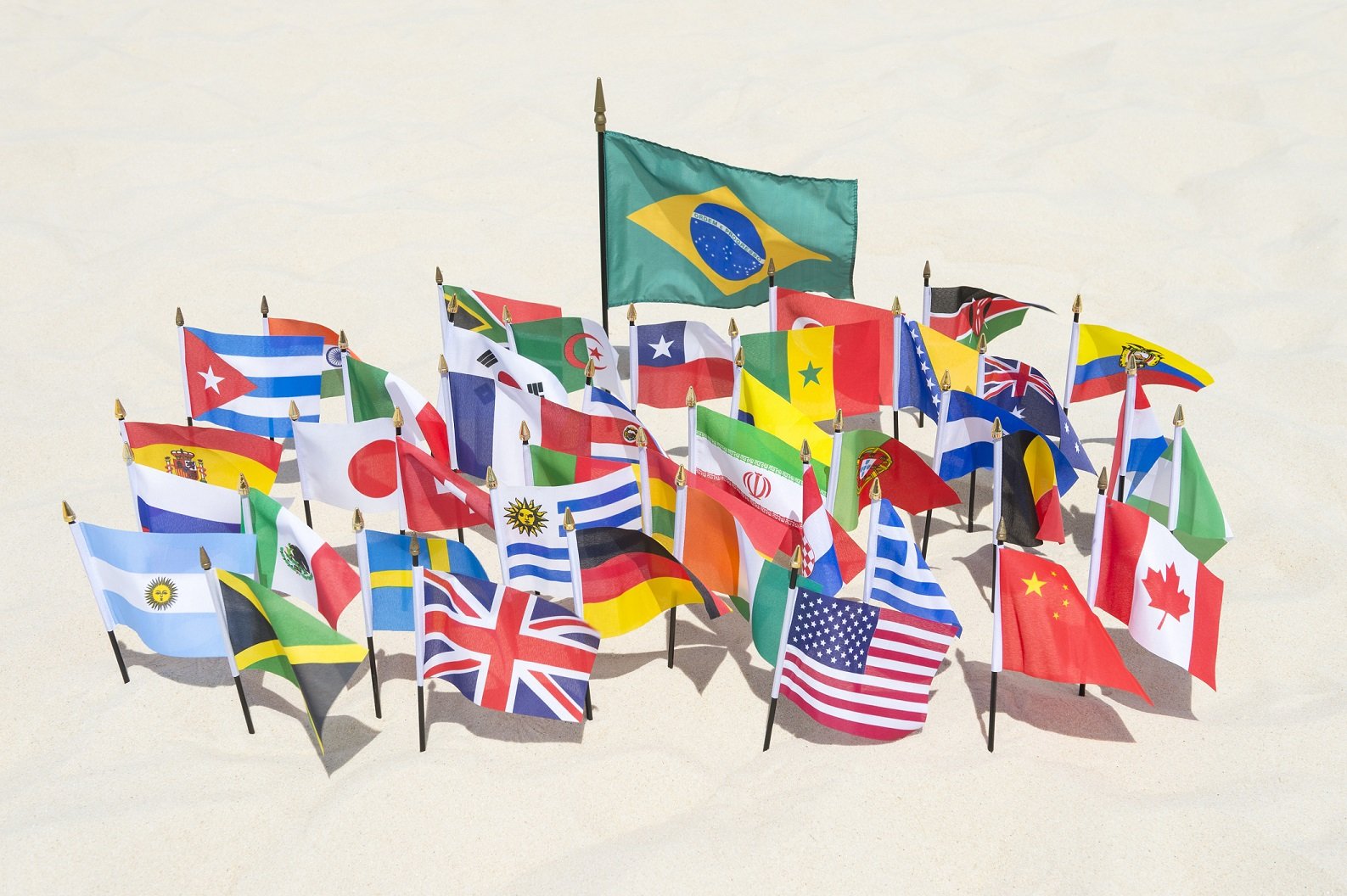
Where did Flags come from?
Flags have a long and captivating history, evolving from ancient banners to the influential symbols we know today. Their journey spans continents, cultures, and eras, weaving a story of identity and unity.
Ancient Roots
Flags began as banners or standards in ancient societies like Egypt, Rome, and Persia. These early symbols, often rigid and adorned with sculptures or emblems, represented power and allegiance. For example, Roman legions carried the eagle-topped aquila into battle to signify their presence.
The First Fabric Flags
The use of fabric flags is believed to have originated in China and India around the 2nd century BCE. Lightweight and portable, these silk banners spread along the Silk Road (an ancient trade route that linked the Western world with the Middle East and Asia), influencing other cultures. Over time, they became essential in warfare for identifying factions and signalling commands.
National Symbols
By the 17th and 18th centuries, flags had become representations of nationhood. Countries designed unique flags to represent their people and values. The Union Jack signified unity in Britain, while the Stars and Stripes embodied the American fight for independence.
More Than Nations
In modern times, flags have transcended borders. They represent movements, like the rainbow flag for LGBTQ+ pride, and global events, like the Olympic flag, uniting the world through sport.
Next time you see a flag, consider the incredible journey it took to fly where it is today!


